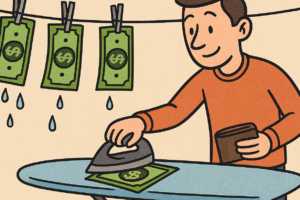
Money is never just numbers on a spreadsheet. It is a language of value, a mirror of our beliefs, and a set of rituals we enact every day without even noticing. The way we handle a receipt, fold a bill, or swipe a card is not trivial — it is expressive. These gestures are small but revealing, and they can tell us more about our financial mindset than any budget app or investment portfolio.
For anyone seeking to turn their financial life around, the first step is not always a new income stream or a debt‑reduction plan. Sometimes, it begins with noticing the gestures — the unconscious rituals — that shape our relationship with money. Once recognized, these gestures can be transformed into new rituals of respect, awareness, and abundance.
1. The Gesture as Symbol: Why Small Acts Matter
Gestures are symbolic postures. They are the body’s way of expressing what the mind believes. When someone crumples bills into their pocket, they are not just being careless — they are enacting a worldview that money is disposable, chaotic, or unworthy of respect. When someone meticulously aligns receipts in a folder, they are enacting vigilance, control, and perhaps anxiety.
These gestures matter because they are repeated daily. Over time, repetition becomes ritual, and ritual becomes identity. If you want to change your financial life, you must first change the rituals that embody your relationship with money.
2. Common Gestures and What They Reveal
- Checking receipts immediately after a purchase — Signals vigilance, mistrust, or a desire for control.
- Tipping generously without calculation — Reflects an abundance mindset, valuing relationships and experiences over strict accounting.
- Stuffing loose change into a jar or drawer — Suggests casualness toward small sums, but also a belief in accumulation.
- Folding bills neatly in a wallet vs. crumpling them — Neatness shows respect; crumpling suggests indifference or avoidance.
- Paying with cash vs. swiping cards — Cash users seek tangible awareness; card users prefer convenience and abstraction.
- Checking bank apps multiple times a day — Reveals anxiety or hyper‑awareness.
- Rounding up donations at checkout — A ritual of generosity, signaling comfort with sharing surplus.
3. Recognizing Your Own Gestures
The first step toward change is awareness. Begin by observing yourself in everyday financial interactions. Notice your body language, observe your habits, and track your rituals. Write these observations down. Treat them as symbolic notes rather than judgments. The goal is not to shame yourself but to witness the rituals you already perform.
4. Why Gestures Are Hard to Change
Gestures are sticky because they are unconscious. They are learned from family, culture, and personal history. A parent who always checked receipts may pass down vigilance; a culture that prizes generosity may normalize tipping without calculation.
Changing gestures requires more than willpower. It requires reframing the ritual. You must give the gesture a new meaning, a new symbolic posture that aligns with the financial life you want to create.
5. Transforming Gestures into Positive Rituals
- From avoidance to awareness — Ritualize reviewing receipts or statements calmly, turning dread into presence.
- From scarcity to generosity — Start small with donations or tips, reframing them as offerings to abundance.
- From chaos to respect — Fold bills neatly, store coins intentionally, honoring money as value not clutter.
- From anxiety to trust — Check accounts once daily with grounding practices, transforming fear into trust.
- From abstraction to embodiment — Use cash occasionally to feel the flow of money physically.
6. The Mythic Archetypes of Money Gestures
- The Guardian: Vigilant, organized, but prone to anxiety.
- The Generous Host: Abundant, relational, but may neglect boundaries.
- The Accumulator: Patient saver, but risks hoarding.
- The Disdainful Wanderer: Detached, but risks disrespect or avoidance.
- The Abstract Swiper: Efficient, but disconnected from reality.
- The Anxious Watcher: Aware, but consumed by fear.
7. Advice for Making Positive Changes
- Witness without judgment.
- Name your archetype.
- Choose a new ritual.
- Anchor the ritual with sensory cues.
- Repeat daily.
- Celebrate small shifts.
8. The Larger Impact of Gesture Transformation
Changing gestures may seem small, but it has ripple effects. Respecting money reduces anxiety and increases confidence. Awareness leads to better decisions. Rituals of generosity and respect create a narrative of abundance. Others notice your gestures — generosity inspires generosity; respect inspires respect.
9. A Closing Reflection: Money as Ritual Terrain
Money is not just currency. It is terrain — expressive, symbolic, mythic. Every gesture you make is a step on that terrain. If you want to turn your financial life around, begin by ritualizing your gestures.
Fold your bills with respect. Review receipts with calm presence. Tip with intention. Save coins as offerings to patience. Check accounts with trust, not fear. Pay with cash to feel the flow. Donate to embody abundance.
These are not trivial acts. They are mythic offerings, symbolic postures that rewrite your relationship with money. By transforming gestures, you transform identity. By transforming identity, you transform your financial life.