Introduction: Fairy Tales as Financial Guides
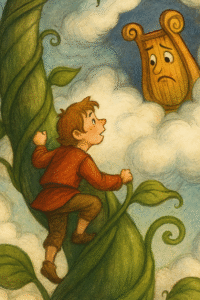 Fairy tales are more than childhood entertainment. They are cultural stories packed with insights about human behavior, risk, and reward. Among them, Jack and the Beanstalk offers a surprisingly practical framework for thinking about money.
At first glance, it’s the tale of a boy who trades his family’s cow for beans, climbs a giant beanstalk, and encounters a fearsome giant. But beneath the fantasy lies a roadmap for ambition, decision-making, and financial growth. This post explores the moral of the story and how it applies to modern financial life.
The Cow and the Beans: Risk vs. Stability
Jack begins with a cow, a symbol of stability. The cow provides milk, a steady income stream, and security. Trading it for beans looks reckless—like selling a reliable dividend stock for a speculative startup.
Yet those beans sprout into a beanstalk that leads to unimaginable opportunity. The moral here is clear: sometimes bold risks, though unpopular, can unlock growth that safe choices never will.
Financial takeaway: Diversification matters. Keep some stable assets, but don’t dismiss high-risk, high-reward opportunities.
Opportunity Costs: Different Perspectives
Jack’s mother sees the beans as worthless. Jack sees potential. This clash mirrors real-world financial debates: one generation values security, another values growth.
The lesson is about opportunity cost. By rejecting the beans, Jack’s mother would have missed the chance to climb toward wealth. By embracing them, Jack accepts risk but gains access to treasures.
Financial takeaway: Every decision has a hidden cost. Playing it safe may mean missing out on transformative opportunities.
Climbing the Beanstalk: Growth Mindset
The beanstalk itself is a metaphor for upward mobility. Jack literally climbs toward a better life. Each step represents persistence, courage, and the willingness to leave comfort behind.
The story reminds us that wealth creation isn’t passive—it requires climbing, step by step, into new realms of possibility.
Financial takeaway: Success demands effort. You can’t stay at the bottom and expect riches to fall into your lap.
The Giant: Debt, Danger, and Power
At the top of the beanstalk lives the giant, hoarding gold, a harp, and a hen that lays golden eggs. He represents concentrated wealth, but also looming danger.
Jack’s encounters with the giant highlight the importance of risk management. Wealth is often guarded by obstacles—whether debt, competition, or systemic inequality. To succeed, you must face giants, but also know when to retreat.
Financial takeaway: Ambition must be paired with caution. Boldness without risk management can lead to ruin.
Stealing from the Giant: Wealth Redistribution
Jack steals treasures from the giant. Morally ambiguous, yes—but symbolically, it’s about reclaiming wealth concentrated in the hands of the powerful.
The parable here is about redistribution. Wealth doesn’t always trickle down; sometimes it must be actively pursued or reclaimed.
Financial takeaway: In modern terms, this could mean negotiating fair wages, investing in disruptive startups, or challenging monopolies.
Cutting Down the Beanstalk: Eliminating Risk
When the giant pursues Jack, he chops down the beanstalk, eliminating the threat permanently. This act symbolizes decisive risk management.
The story teaches that it’s not enough to climb toward wealth—you must also cut ties with destructive financial entanglements.
Financial takeaway: Pay off toxic debt, exit failing investments, and protect your household from looming financial dangers.
Ethical Ambiguity: Hero or Thief?
Jack’s actions raise moral questions. Is he a hero reclaiming wealth, or a thief exploiting opportunity? This ambiguity is part of the story’s power.
The lesson here is that financial success often involves ethical dilemmas. From insider trading to aggressive tax strategies, the line between cleverness and dishonesty can blur.
Financial takeaway: Wealth without integrity is fragile. Long-term success requires ethical grounding.
Lessons for Modern Investors
Translating the fairy tale into practical financial principles:
- Take calculated risks. Don’t dismiss unconventional opportunities.
- Balance security and growth. Keep stable assets but allow room for speculation.
- Climb steadily. Success requires persistence, not shortcuts.
- Manage giants. Identify and mitigate financial threats.
- Act decisively. Cut down risks before they overwhelm you.
- Stay ethical. Wealth gained dishonorably rarely lasts.
The Story as a Financial Archetype
Why does Jack and the Beanstalk endure? Because it reflects timeless financial archetypes:
- The Cow: Stability and tradition.
- The Beans: Risk and innovation.
- The Beanstalk: Growth and ambition.
- The Giant: Power and danger.
- The Treasures: Wealth and reward.
- The Axe: Risk management and finality.
Every financial journey contains these archetypes. Recognizing them helps us navigate our own beanstalks.
Applying the Parable to Everyday Life
You don’t need a magic beanstalk to apply this wisdom. Everyday financial decisions—whether buying a home, investing in stocks, or starting a business—mirror Jack’s journey.
- Trading stability for growth.
- Facing giants like debt or competition.
- Climbing step by step toward wealth.
- Cutting down risks when necessary.
The moral of the story is that financial life is a narrative, and you are the protagonist.
Conclusion: Climb Boldly, Cut Wisely
Jack and the Beanstalk isn’t just a fairy tale—it’s a roadmap for financial ambition. The lesson teaches us that boldness and creativity can change your destiny, but every choice carries consequences.
For readers of themoneychi.com, the takeaway is simple:
- Don’t fear the beans.
- Respect the giants.
- Climb with courage.
- Cut risks decisively.
In the end, wealth is not just about treasure—it’s about the journey, the lessons learned, and the wisdom gained along the way.